


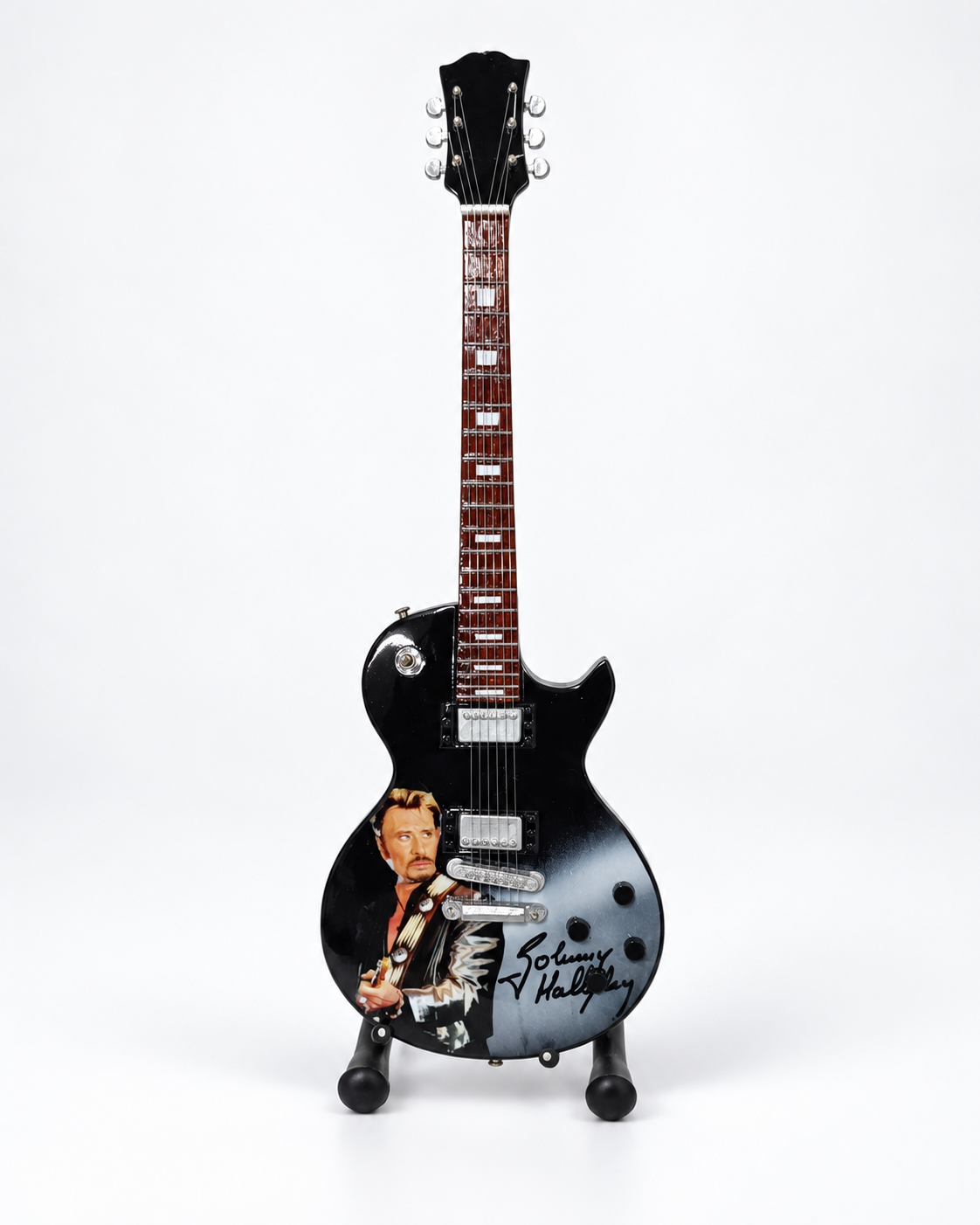
Catalog examples
Silhouettes to compare at a glance
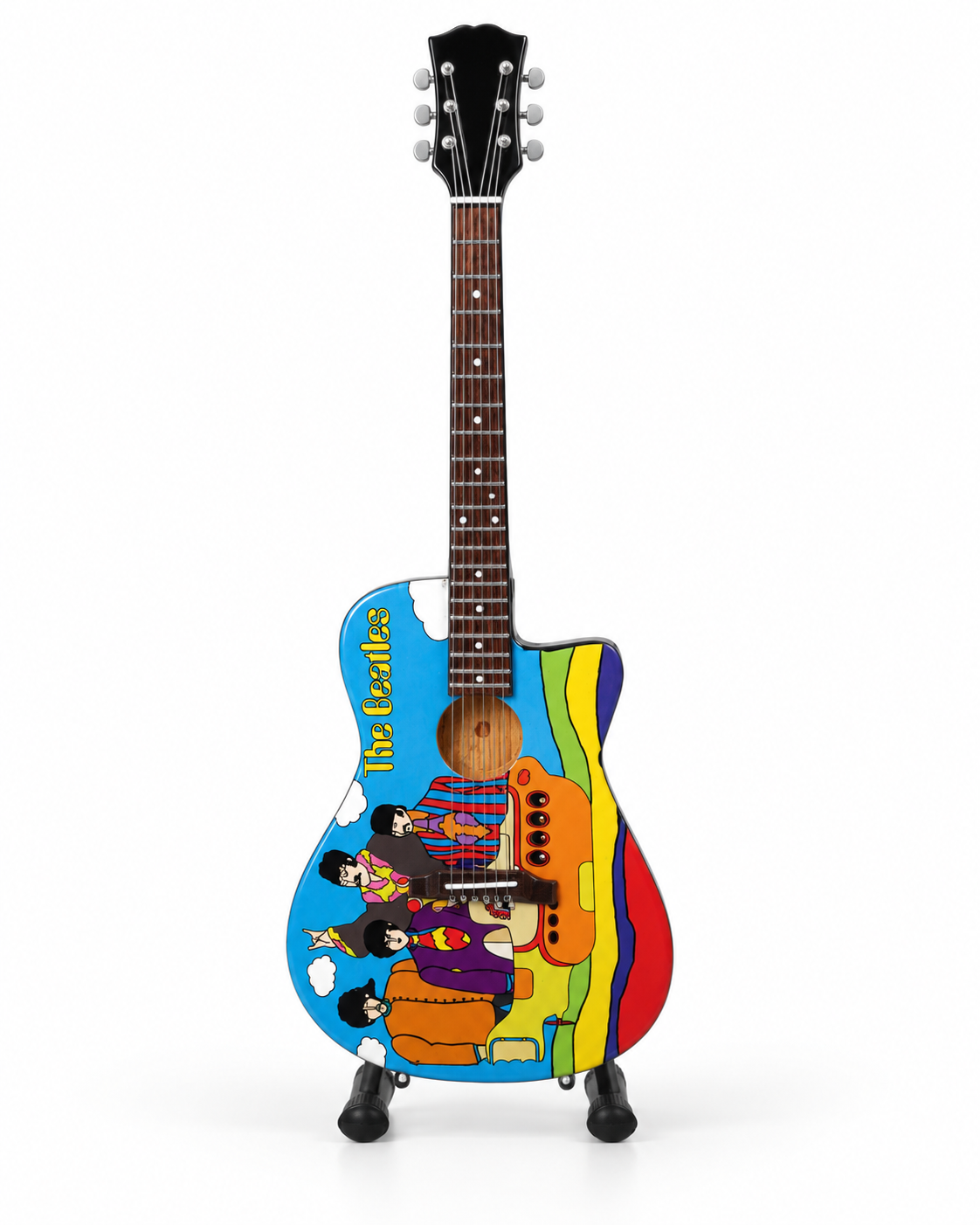
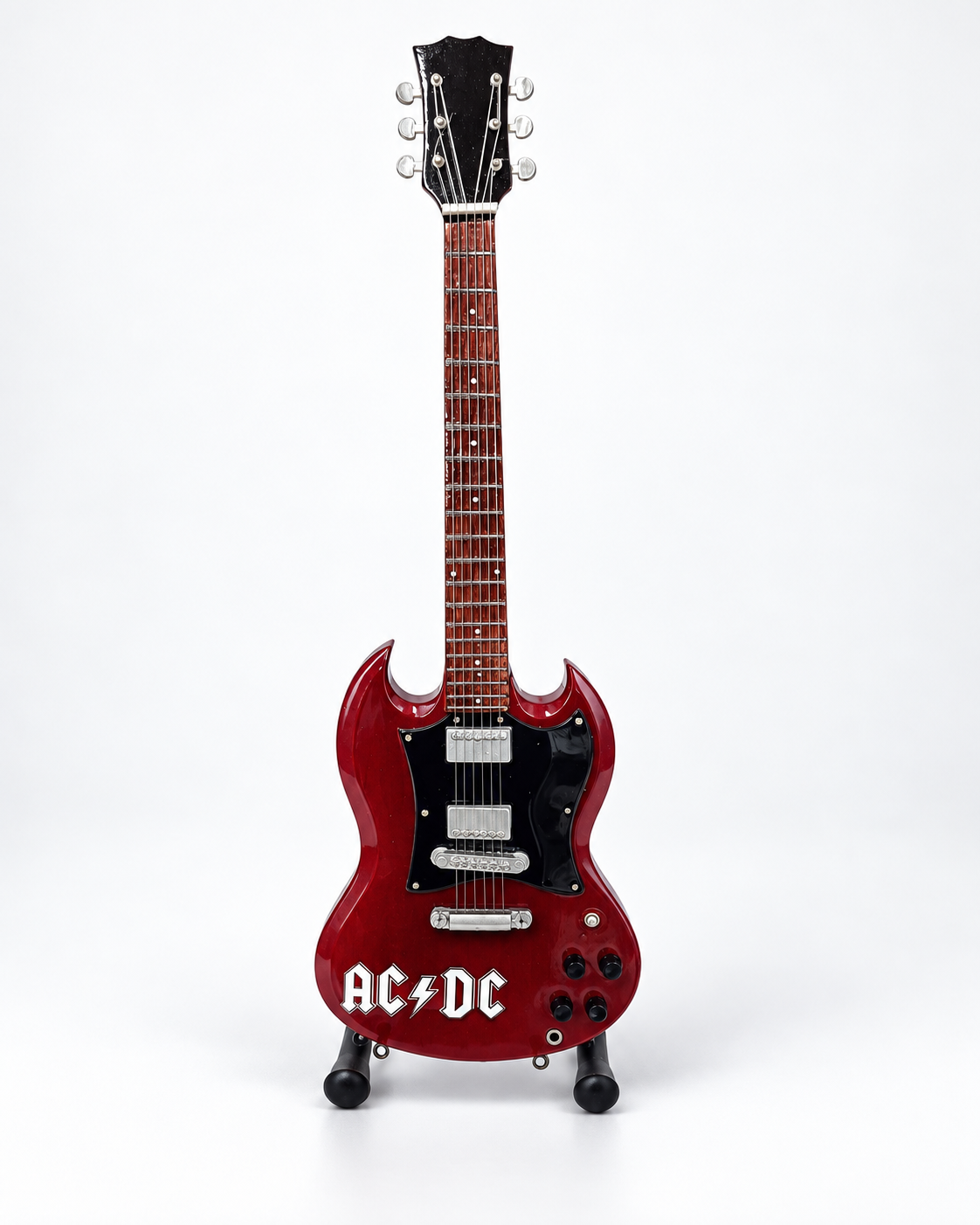
Start with one simple theme
A collection becomes more interesting when it follows a principle you can recognise at a glance. To begin, choose a direction that is easy to maintain: an artist, a band, a family of guitar shapes, a colour palette or a particular era. You do not need to plan everything from the start; the aim is to avoid buying several miniatures without considering how they will look together.
If you love electric-guitar culture, the Rock Legends collection provides a clear starting point. If you prefer French-language music, French Icons lets you compare different visual approaches while keeping a common musical theme. Our main guide, How to choose a collectible miniature guitar?, then helps you weigh shape, artist, colour and display style.
Choose three first pieces instead of a whole series
For a first collection, three carefully selected miniatures are enough to form an ensemble. A dark piece, a colourful one and a different silhouette already create visual rhythm. This approach helps you discover what you really enjoy before expanding the selection.
A black Les Paul might provide a visual foundation, an illustrated acoustic a softer contrast and a red SG a striking accent. The objective is not to gather three famous references at any cost, but to make a small composition in which each object offers something the other two do not.
Look first at the silhouette and finish
With a miniature, you notice the silhouette before the smaller details. A compact single-cut, a flowing S-Type, a sharply angled Flying V and a more rounded acoustic occupy space in very different ways. The finish then sets the mood: black and metallic details create a graphic effect, sunburst and wood suggest warmth, and bright colours lend a pop character.
The catalogue lets you filter and compare different shape families. Treat it as a tool for composing a display rather than a simple product list: browse all miniature guitars.
Plan where you will display the collection
A narrow shelf, a desk and a glass display cabinet do not call for the same selection. Before buying several pieces, measure the available space and picture the arrangement with some breathing room around every miniature. A tightly packed collection soon becomes difficult to read, especially when several models have elaborate decoration.
For more advice, our guide How to display your miniature guitars explains spacing, lighting and ways to establish a focal point without overcrowding the room.
Grow the collection step by step
After choosing your first trio, add another piece only when it truly complements the group: a new silhouette, colour, artist or atmosphere. Growing gradually avoids visual duplicates and makes your collection more personal.
The best starting point is simple: a clear idea, a few well-matched pieces and space for the collection to evolve. Technical product references may help with internal tracking, but the story of a collection is told mainly through shapes, imagery and contrasts.